Keynote Speakers
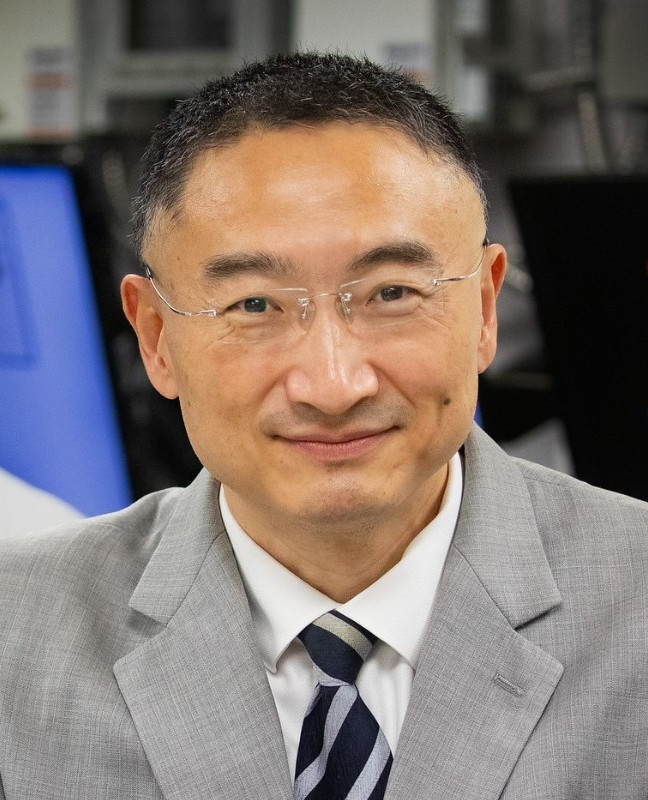
Professor Xiao-Dong Zhou
University of Connecticut, USA
Biography: Professor Xiao-Dong Zhou is the Connecticut Clean Energy Fund professor in Sustainable Energy, The Nicholas E. Madonna Chair in Sustainability, Director of the, Center for Clean Energy Engineering, and a Professor in Chemical and Biomolecular Engineering, Mechanical Engineering, and Materials Science and Engineering at University of Connecticut. He is a special advisor to UConn President Radenka Maric in Sustainability. Dr. Zhou received J. B. Wagner Jr. Young Investigator Award in 2007 from the Electrochemistry Society - High Temperature Materials Division. He is the recipient of 2011 US DOD – DARPA Young Faculty Award. He is a Fellow of the Electrochemical Society. His research interests span theoretical and experimental studies of materials and interfaces for energy systems, including batteries, fuel cells, and electrolyzers.
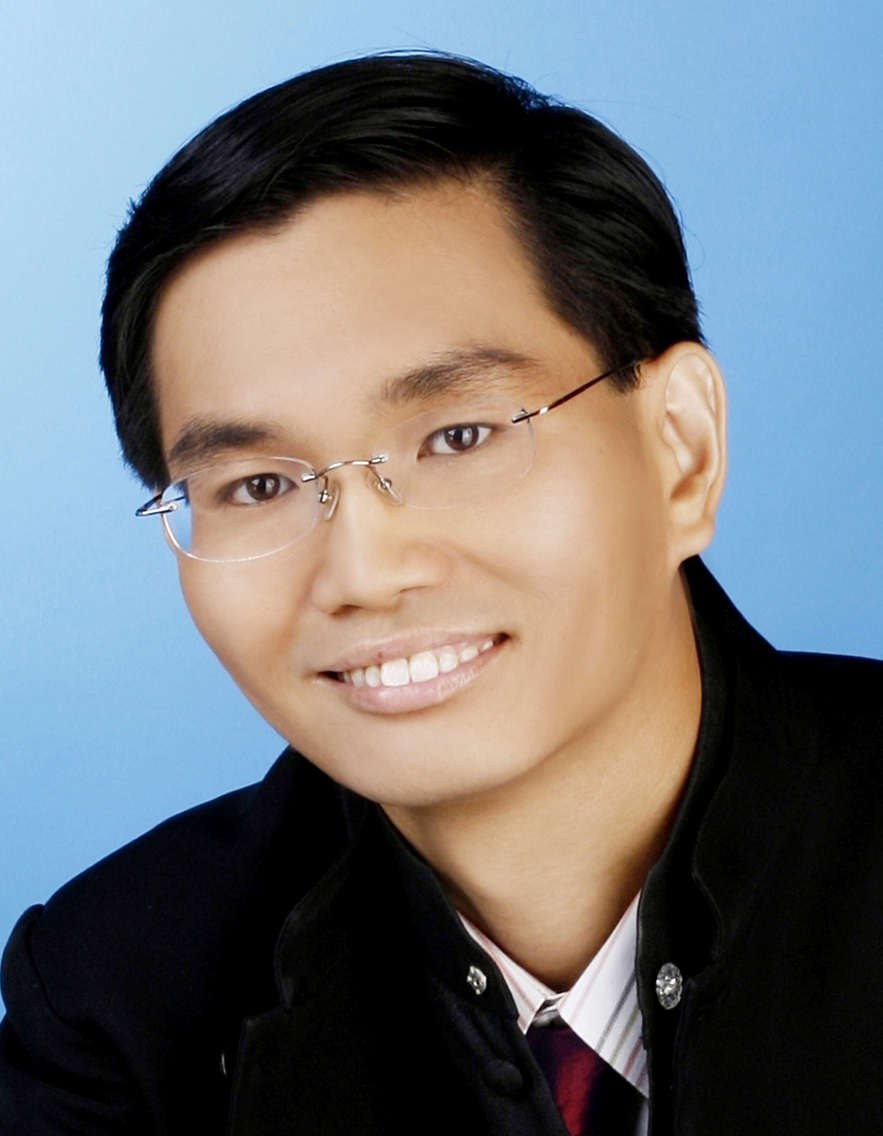
Ernest Kian Jon Chua
National University of Singapore, Singapore
Biography: Dr. Chua Kian Jon is an internationally recognized expert in clean thermal energy systems. His research spans thermal energy recovery, hybrid cooling, desiccant dehumidification, solar-assisted systems, and thermal energy storage for buildings and industrial applications. He is internationally recognized for pioneering work in dew-point evaporative cooling, membrane dehumidification, and waste heat recovery, enabling low-energy solutions for sectors such as buildings, data centres, EVs, and district cooling. Dr. Chua has published over 280 SCI-indexed journal papers, eight monographs, and holds more than 10 patents. A Fellow of the Royal Society, IET, Energy Institute, and IMechE, he ranks among the top 1% of scientists globally (USERN) and top 2% of energy researchers per Stanford since 2021, with 17,500+ citations and an H-index of 70. He is the founding Editor-in-Chief of Thermal Science and Engineering (Nature Portfolio) and serves as Associate Editors of numerous journals in Elsevier, Springer, Wiley, and Taylor & Francis. A two-term NUS Dean’s Chair holder, he has received multiple international awards and leads major competitive research projects and is frequently invited to deliver plenary and keynote lectures and serve on technical committees at major international conferences. His work continues to shape the future of sustainable thermal energy systems across Asia and beyond.

Dong-Won Kang
Chung-Ang University, South Korea
Biography: Dong-Won Kang received his Ph.D. degree from the School of Electrical Engineering and Computer Science, Seoul National University, Korea, in 2013. He subsequently conducted postdoctoral research in the Department of Physical Electronics at the Tokyo Institute of Technology, Japan (2013–2014). He then served as an Assistant Professor in the School of Solar & Energy Engineering at Cheongju University (2015–2017). Since 2018, he has been an Associate Professor in the Department of Energy Systems Engineering at Chung-Ang University, Korea. Dr. Kang’s research interests cover a wide range of semiconductor materials and optoelectronic devices, including silicon-, organic-, and perovskite-based systems. His group focuses on energy materials and devices such as perovskite-based tandem photovoltaics and memristors. In recent years, he has placed particular emphasis on metal halide perovskite materials, exploring exciting research directions in tandem solar cells and lead-free perovskite technologies, achieving significant scientific outcomes. To date, Dr. Kang has published over 130 SCIE-indexed journal papers and holds 20 patents (filed and registered). His continuing research aims to advance high-performance, stable, and sustainable optoelectronic materials and devices for next-generation energy technologies.